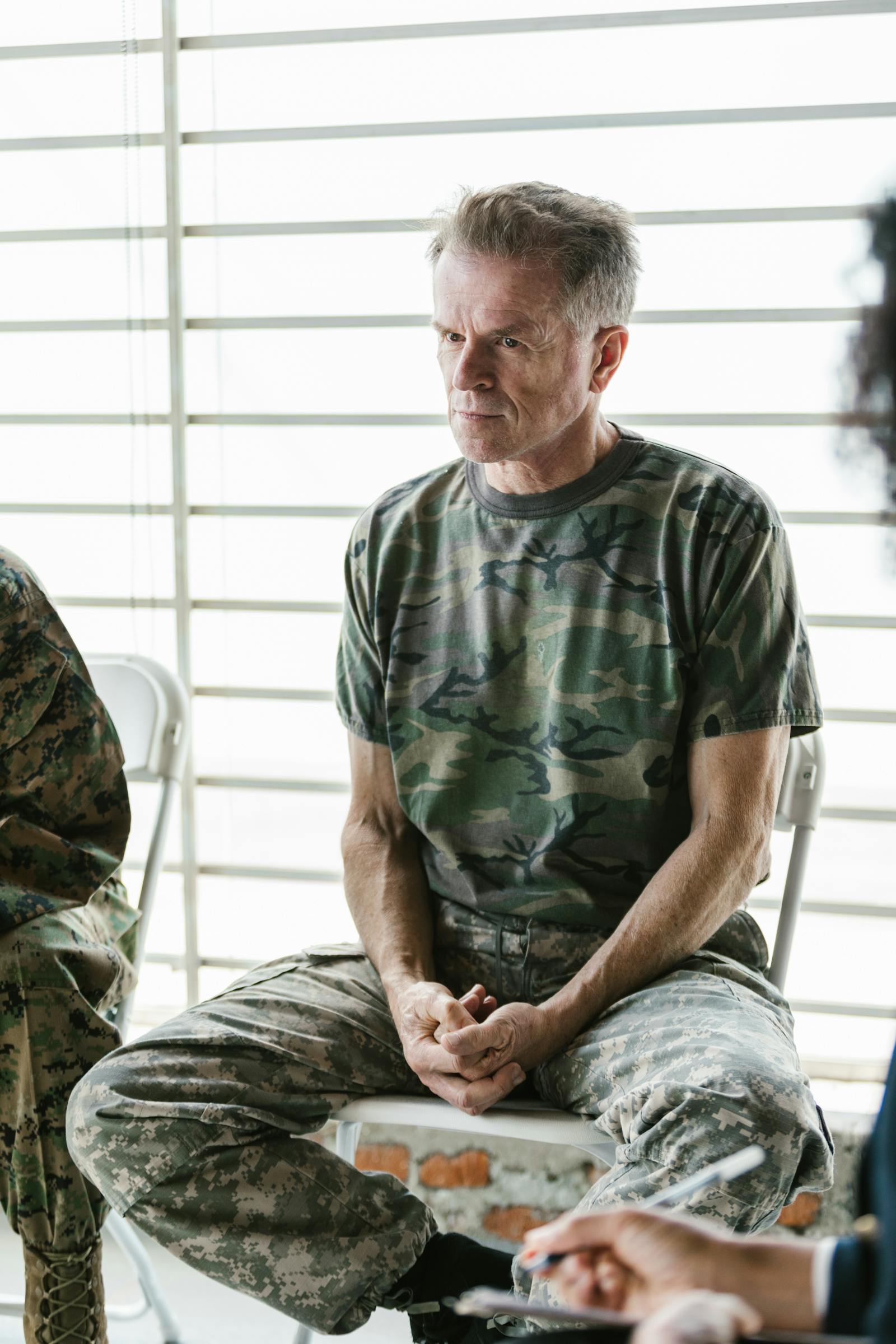

PTSD-Informed Home Care in Alexandria, VA
Trauma-informed in-home care for Alexandria veterans living with PTSD — what trained caregivers do differently and how to find them.
James Carter, MSW, Accredited VA Claims Agent
Senior Veterans Care Advisor
Reviewed by Carol Bradley Bursack, NCCDP-certified — Owner of Minding Our Elders
2 min read
·
Updated May 13, 2026
Article Outline
Home care for Alexandria-area veterans living with post-traumatic stress disorder (PTSD) requires trauma-informed caregivers — trained in trigger awareness, predictable routines, military culture, and the everyday context of a veteran’s life. The VA Homemaker / Home Health Aide program contracts agencies with trauma-trained staff; specialty agencies serving Alexandria prioritize veteran caregivers when possible.
What trauma-informed care looks like in practice
A trauma-informed Alexandria caregiver delivers:
- Predictable routines: same arrival time, same handoff phrase, same exit
- Visual approach: approaching from the front, in the veteran’s field of view, never startling
- Lower sensory load: quieter background, softer lighting, fewer simultaneous demands
- Trigger awareness: specific dates (deployment anniversaries), media (news of certain events), or sounds (helicopters, fireworks) managed proactively
- Sleep accommodations: extra check-ins, dim lighting protocols, respect for nightmare-related routines
Veteran caregivers in Alexandria
Many Alexandria-area agencies serving veterans recruit veteran caregivers when possible. The shared military experience reduces the cognitive load of conversation and builds trust faster. Even non-veteran caregivers should complete military-cultural training — rank structure, deployment vocabulary, MOS understanding. Ask Alexandria agencies: what percentage of your caregivers are veterans, and what military-cultural training do non-veteran caregivers complete?
Home environment adjustments
Common adjustments Alexandria families make for PTSD-affected veterans:
- Clear sight lines from chairs to entryways and exits
- White noise machines for overnight
- Reduced clutter (visual noise increases stress)
- Pre-announced visitor protocols
- Coordinated handling of holidays (especially July 4) with fireworks awareness
- Weapons safety planning when applicable
How the Washington DC VA Medical Center supports PTSD-affected veterans
the Washington DC VA Medical Center provides PCAFC enrollment for eligible families, Vet Center counseling referrals, telehealth therapy for both veteran and family caregivers, and coordination with H/HHA agencies that have trauma-trained staff. the Washington DC VA Medical Center’s mental health team can advise on in-home care plans that complement rather than conflict with PTSD treatment.
Mental health resources for Alexandria veterans
Critical resources:
- Veterans Crisis Line: 988 (option 1) — 24/7
- VA Mental Health: through the Washington DC VA Medical Center
- Alexandria-area Vet Center (free, separate from VA medical center)
- Wounded Warrior Project counseling programs
- Private therapists in Alexandria specializing in military trauma
A free 15-minute call with a VA-accredited care advisor can identify Alexandria-area agencies with trauma-trained caregivers and walk through the right home environment setup. Talk to a VeteransHomeCare advisor when you’re ready.
Common Questions
Frequently asked questions
What's the difference between a veteran caregiver and trauma-informed training?
+
A veteran caregiver brings personal military experience that reduces the cognitive load of conversation and accelerates trust. Trauma-informed training is structured education on PTSD/TBI, triggers, and trauma-responsive care practices. Ideally caregivers have both, but well-trained non-veteran caregivers can be excellent. Ask Alexandria agencies how they combine the two.
Can VA home care help if my veteran refuses to admit they have PTSD?
+
Yes — care plans can be framed around physical health needs rather than mental-health labels. A companion caregiver who handles errands, meals, and companionship indirectly addresses the isolation that often accompanies PTSD. Over time, as trust builds, conversations about additional VA mental-health services can happen naturally. the Washington DC VA Medical Center's primary-care team and family can collaborate on the framing.
Does the VA cover service dogs for Alexandria veterans with PTSD?
+
Yes, for eligible veterans with service-connected disabilities — including PTSD when paired with a mobility-impairing condition. The VA covers veterinary care, equipment, and training. Service dogs work alongside in-home care, not instead. Application through the VA Prosthetics and Sensory Aids Service with significant documentation requirements; the Washington DC VA Medical Center's social work team can guide.
How is home care for TBI different from home care for dementia?
+
TBI-related cognitive issues are often stable or slowly improving; dementia is progressive. Care plans for TBI emphasize routine, executive-function cues, and rest-cycle awareness. Dementia care plans add a planning dimension — anticipating progression and adjusting environmental safety. Veterans with both TBI and dementia get a hybrid approach. the Washington DC VA Medical Center's GEC team coordinates the care plan.
Can VA home care include mental-health services for Alexandria veterans?
+
Indirectly. In-home care itself is non-clinical — companionship, daily living support, transportation. But VA-funded home care typically coordinates with VA mental-health services (telehealth therapy, psychiatry visits at home, group sessions at the Washington DC VA Medical Center). The caregiver helps the veteran keep mental-health appointments, take prescribed medications, and manage the daily routines that support treatment.